Cat Breathing Fast: When to Worry (Vet Verified)

Seeing your cat breathing fast can be worrying. Cats normally breathe quietly and steadily, so rapid breathing in cats often stands out immediately to attentive owners. In many cases, fast breathing may simply result from temporary stress, heat, or exercise. However, persistent or unexplained changes can sometimes signal underlying health problems involving the heart, lungs, or pain.
Maven Pet’s cat health tracker counts your cat’s resting breaths automatically, so you know whether a fast breathing episode is a one-off or part of a trend.
Understanding what counts as fast breathing in cats, what normal breathing should look like, and when veterinary care is needed can help you act calmly and quickly. Monitoring your cat’s resting respiratory rate over time is also one of the most effective ways to detect potential health issues early.
When Should You Worry If Your Cat Is Breathing Fast?
If you notice a cat breathing quickly, it may be normal after activity or stress. However, a cat’s resting respiratory rate above 30–40 breaths per minute, especially during sleep, can indicate a problem. Rapid breathing in cats may be linked to pain, respiratory infections, heart disease, or stress. If fast breathing persists, worsens, or is accompanied by other symptoms, veterinary evaluation is recommended.
Maven Pet helps you monitor your cat’s health at home by catching elevated respiratory rates the moment they start, often days before any other sign appears.
Key Takeaways
- A normal resting respiratory rate for cats is typically under 30 breaths per minute.
- Cat fast respiratory rate during true rest or sleep can signal health concerns.
- Causes include respiratory illness, heart disease, pain, stress, or overheating.
- Emergency signs include open-mouth breathing, deep abdominal breaths, blue gums, or severe lethargy.
- Monitoring resting respiratory rate trends over time can help detect problems early.
- Veterinary evaluation is recommended if fast breathing persists or worsens.
What Counts as Cat Breathing Fast?
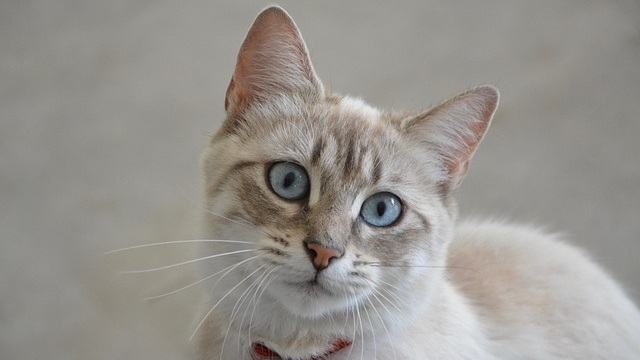
Cats naturally have quiet, subtle breathing patterns. Because of this, even small changes can appear noticeable to owners.
Generally, rapid breathing in cats refers to a respiratory rate that exceeds normal resting levels. Veterinarians typically consider breathing fast when a cat shows:
- More than 30–40 breaths per minute at rest
- Noticeable chest or abdominal movement
- Persistent panting or open-mouth breathing with blue gums
- Breathing that appears labored or shallow
It’s important to measure breathing when your cat is relaxed or sleeping, not immediately after play or excitement. Temporary increases after activity are normal, but breathing should return to baseline within a short time.
If your cat’s breathing remains elevated while resting, it may require closer monitoring or veterinary attention.
How Fast Should a Cat Breathe Normally?
Understanding how fast a cat should breathe at rest helps owners identify when something might be wrong.
For healthy adult cats:
- Normal resting respiratory rate: under 30 breaths per minute
- During sleep: often toward the lower values than 30
- After activity or stress: breathing may temporarily increase
To count breaths, observe your cat’s chest rising and falling. One rise and fall equals one breath.
Veterinarians often recommend tracking your cat’s resting respiratory rate over several days to establish a personal baseline, since each cat may vary slightly. Consistent monitoring makes it easier to spot subtle increases that could signal early health changes.
“Every time Umi is hospitalized, it’s for like four days and it costs over $5,000… Maven has helped me not only save money but also save his life”
★★★★★
Jessica Ortiz
Umi
Why Is My Cat Breathing Fast?
If you’re asking, “why is my cat breathing fast?”, there are several possible explanations. Some causes are mild and temporary, while others may require medical attention.
Common causes of cat fast breathing include:
1. Stress or Anxiety
Cats may breathe faster during stressful events such as travel, vet visits, loud noises, or new environments.
2. Heat or Overheating
High temperatures can increase respiratory rate as cats try to regulate body temperature.
3. Pain or Injury
Pain from trauma, internal illness, or post-surgical discomfort may cause rapid breathing.
4. Respiratory Illness
Conditions affecting the lungs or airways can lead to rapid breathing in cats, including:
- Upper Respiratory Infections
- Asthma
- Pneumonia
- Fluid accumulation in the lungs
- Foreign bodies in the respiratory tract
5. Heart Disease
Heart conditions can cause fluid buildup in the chest or lungs, making breathing more difficult and increasing the respiratory rate.
6. Anemia or Other Systemic Illness
Low oxygen levels or blood abnormalities may cause the body to compensate with faster breathing.
“An elevated resting respiratory rate is often one of the earliest warning signs of heart or lung disease in cats. Catching the trend early can make a significant difference in outcomes.” — Sara Leitão, DVM, Veterinarian at Maven Pet
Because these conditions vary widely in severity, observing patterns and accompanying symptoms is important.
When Is Rapid Breathing in Cats an Emergency?
Sometimes rapid breathing in cats requires immediate veterinary care.
Seek emergency help if your cat shows:
- Open-mouth breathing or panting
- Blue or pale gums
- Severe lethargy or collapse
- Obvious breathing effort (belly pushing or flaring nostrils)
- Breathing faster than 40 breaths per minute at rest
These symptoms may indicate life-threatening problems or oxygen deprivation. This event is called Dyspnea and according to the Cornell Feline Health Center, cats experiencing breathing distress may pant with their mouth open, breathe noisily, or cough more often than usual. Some cats may crouch low, stretch their neck forward, or appear as if they are gagging or trying to vomit. If you notice these signs, it’s best to contact a veterinarian promptly to determine the cause.
How to Check Your Cat’s Breathing at Home
Monitoring breathing at home can help identify changes early.
Follow these steps:
- Wait until your cat is sleeping or fully relaxed.
- Watch the chest rise and fall.
- Count breaths for 30 seconds or 1 minute.
- If you counted 30 seconds, multiply by two to get breaths per minute.
- Record the number and track trends over several days.
For example:
- 20 breaths per minute: typical resting range
- 25–30 breaths per minute: still normal, but worth monitoring to understand patterns
- Above 30 consistently: may require veterinary advice
Consistency is key. Tracking respiratory rate regularly helps detect gradual increases that may otherwise go unnoticed.
How Maven Helps Monitor Breathing Changes
Subtle changes in breathing often happen gradually. Because of this, relying solely on visual observation can sometimes miss early warning signs.


Monitor heart rate, respiratory rate, activity & rest, itch behavior.
The Maven pet health tracker continuously tracks key health indicators, including:
- Resting respiratory rate
- Heart rate
- Activity levels
- Sleep patterns
- Scratching behavior
Importantly, the Maven cat health tracker measures respiratory rate during true sleep, when breathing is most stable. Over time, the system builds a personalized baseline for your cat.
If breathing patterns begin to rise above normal trends, owners receive alerts that may indicate health issues.
By monitoring trends rather than single measurements, the Maven pet health app helps detect changes earlier than visual observation alone, giving owners and veterinarians valuable time to intervene.
FAQ (Vet-Reviewed)
A healthy cat typically breathes 16–30 breaths per minute while resting or sleeping. Consistently higher rates may indicate stress, pain, or underlying medical conditions.
If your cat is breathing fast during sleep, it may signal an elevated resting respiratory rate. Occasional variation can occur, but consistent increases above 30 breaths per minute should be monitored and discussed with a veterinarian.
Not always. Temporary cat fast breathing may occur after exercise, stress, or heat exposure. However, persistent rapid breathing at rest or additional symptoms may indicate a medical issue.
You should contact a veterinarian if:
-Breathing exceeds 30–40 breaths per minute at rest
-Fast breathing persists for several hours
-Your cat shows lethargy, open-mouth breathing, or gum color changes
-Prompt evaluation helps rule out serious heart or respiratory conditions.
Conclusion
Noticing cat breathing fast can be unsettling, but understanding what’s normal helps you respond appropriately. Most cats breathe quietly at 16–30 breaths per minute while resting, and sustained increases can signal underlying issues involving the lungs, heart, or pain.
Monitoring your cat’s resting respiratory rate during true sleep is one of the most reliable ways to detect early changes. By tracking trends over time — whether manually or with tools like the Maven Pet Health Monitor — cat owners can identify potential problems sooner and seek veterinary care when needed.
Early awareness often leads to earlier treatment, helping cats stay healthier for longer.
Maven Pet focuses on improving the quality of life of our pets with technology, using artificial intelligence (AI) to enable proactive pet care. By accurately collecting and monitoring pet data 24/7 and flagging any irregularities, Maven Pet empowers pet parents and veterinarians to stay ahead of potential health issues, ensuring the well-being and longevity of our beloved companions.